
Modern broadband connections demand routers capable of managing the exceptional speeds that fibre optic infrastructure delivers, ensuring households and small businesses can enjoy seamless streaming, gaming, and remote work. Despite technological advancements, users frequently encounter challenges ranging from intermittent connectivity to sluggish performance, particularly with popular brands such as Netgear and TP-Link. Understanding how to diagnose and resolve these issues can transform your online experience, turning frustrating dropouts into reliable, high-speed access that fully utilises the potential of your fibre optic line.
Diagnosing connectivity issues with your fibre optic router
When your wireless network begins exhibiting inconsistent behaviour, the first step involves identifying whether the problem originates from the router itself or the broader network configuration. Many users report experiencing intermittent connectivity where devices lose access to the internet sporadically, despite appearing connected to the wireless network. This phenomenon often manifests as sudden drops in speed or complete disconnection that resolves itself after a few moments, creating considerable inconvenience during video calls or online gaming sessions. To begin effective router troubleshooting, it is essential to verify that your firmware is current, as manufacturers regularly release updates to address bugs and improve network performance. Accessing your router's admin panel through a web browser allows you to check the firmware version and compare it against the latest release available on the manufacturer's website. Beyond firmware, examining the physical environment around your router proves equally important, as obstacles such as thick walls, metal objects, or electronic appliances can interfere with wireless signals and contribute to sporadic disconnection. Relocating your router to a more central position within your home, away from potential sources of interference, often yields immediate improvements in signal strength and consistency.
Identifying signal dropout and intermittent connection problems
Signal dropout represents one of the most common complaints among users of wireless networks, particularly those relying on older or improperly configured equipment. These disruptions may occur at specific times of day when neighbouring networks experience high traffic, or they may be linked to overheating hardware that struggles to maintain stable connections. Observing the pattern of disconnections can provide valuable clues; if issues coincide with peak usage hours, channel congestion is likely the culprit. Modern routers support dual-band frequencies, allowing you to distribute devices across both the two point four gigahertz and five gigahertz bands to reduce interference and optimise bandwidth allocation. Slow speeds that develop gradually over time may indicate that your router is being overwhelmed by too many connected devices or by bandwidth-intensive applications such as high-definition streaming or large file downloads. Conducting a thorough inventory of all devices connected to your network and disconnecting those not in active use can free up resources and restore acceptable performance levels. Additionally, reviewing your router's quality of service settings enables you to prioritise critical applications, ensuring that video conferencing or online learning receives adequate bandwidth even when other devices are active.
Checking router compatibility with your fibre optic modem
A frequently overlooked aspect of network performance involves ensuring that your router is fully compatible with the modem or gateway provided by your internet service provider. Some users inadvertently create network complications by placing a separate router behind their ISP-supplied modem, leading to double network address translation that can cause connectivity problems and reduce overall efficiency. Verifying the make and model of your modem or gateway is a crucial step in technical diagnosis, as this information allows you to determine whether your equipment is operating in bridge mode or whether it is attempting to manage routing functions itself. If your provider's modem includes integrated routing capabilities, configuring it to operate solely as a bridge ensures that your Netgear or TP-Link router can assume full control over network traffic without conflict. When seeking community support or professional assistance, providing detailed information about both your router and modem facilitates more accurate recommendations and faster resolution of internet connection issues. Gateway configuration settings may also require adjustment to enable features such as universal plug and play or port forwarding, which are essential for certain online gaming consoles and smart home devices.
Optimising Router Settings for Maximum Performance on Netgear and TP-Link Devices
Once you have ruled out basic connectivity problems, fine-tuning your router's settings can unlock significant improvements in speed and reliability. Both Netgear and TP-Link models offer extensive configuration options that, when properly adjusted, can enhance device connectivity and ensure that your fibre optic connection operates at its full potential. Accessing the router's web interface typically involves entering a specific IP address into your browser and logging in with administrator credentials, after which you gain access to a wealth of settings governing wireless channels, security protocols, and bandwidth management. Regularly checking for firmware updates remains a best practice, as manufacturers frequently release patches that address security vulnerabilities and improve compatibility with the latest devices. Beyond firmware, adjusting the wireless channel can mitigate interference from neighbouring networks, particularly in densely populated areas where multiple routers compete for the same frequency bands. Utilising a wireless analyser application on your smartphone or computer helps identify which channels are least congested, allowing you to manually select an optimal frequency for your network.
Configuring dual-band frequencies for better coverage across your home
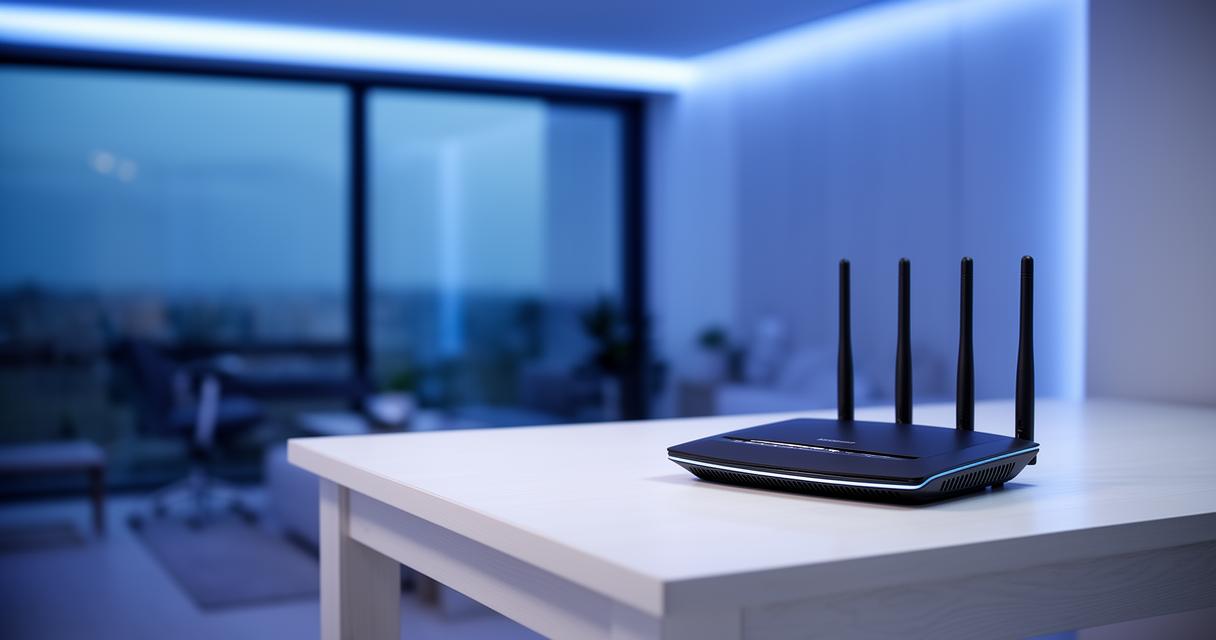
Modern routers equipped with dual-band capabilities allow you to broadcast two separate wireless networks, one on the two point four gigahertz band and another on the five gigahertz band. The two point four gigahertz frequency offers greater range and better penetration through walls, making it ideal for devices located far from the router or in areas with multiple obstructions. Conversely, the five gigahertz band provides faster speeds and less interference, making it well-suited for devices that demand high bandwidth and are positioned relatively close to the router. Distributing your devices thoughtfully across these two bands ensures that each enjoys optimal performance; for example, smartphones and tablets used for casual browsing can connect to the two point four gigahertz network, while gaming consoles and streaming devices benefit from the five gigahertz band. Many Netgear and TP-Link routers feature smart connect functionality, which automatically assigns devices to the most appropriate band based on signal strength and current network load. Enabling this feature simplifies device management and helps prevent network congestion, though manual assignment remains an option for users who prefer greater control over their network configuration. Ensuring that your router's wireless mode is set to support the latest standards, such as WiFi five or WiFi six, guarantees compatibility with newer devices and maximises throughput across your home network.
Updating Firmware and Adjusting Bandwidth Allocation for Streaming and Gaming
Firmware updates not only address security concerns but also introduce performance enhancements and new features that can significantly improve your router's ability to handle demanding applications. Neglecting these updates can leave your network vulnerable to exploits and may result in suboptimal performance as your router struggles with compatibility issues. Scheduling regular checks for firmware updates, ideally once every few months, ensures that your equipment benefits from the latest improvements developed by Netgear, TP-Link, or other manufacturers. Adjusting bandwidth allocation through quality of service settings allows you to prioritise specific devices or applications, ensuring that activities such as video streaming or online gaming receive the necessary resources to function smoothly. For households where multiple users compete for bandwidth simultaneously, configuring these settings can prevent one device from monopolising the connection and causing slow speeds for others. Many routers also offer guest network functionality, which creates a separate wireless network for visitors and reduces the risk of unauthorised access to your primary network and connected devices. This feature is particularly useful in homes with frequent guests or in small office environments where security and network performance must be carefully balanced.
Enhancing WiFi Range with Mesh Systems and Ethernet Solutions
In larger properties or homes with challenging layouts, a single router may struggle to provide adequate coverage throughout every room, resulting in dead zones where devices experience weak signals or complete disconnection. Mesh systems have emerged as a popular solution to this problem, offering seamless coverage by distributing multiple access points throughout your home that work together to create a unified network. Brands such as Netgear's Orbi, TP-Link's Deco, and AVM's Fritz systems have gained widespread acclaim for their ease of installation and ability to eliminate coverage gaps without requiring complex configuration. Unlike traditional wireless repeaters, which can introduce latency and reduce overall network speed, mesh systems intelligently route traffic through the most efficient path, maintaining high performance even as devices move between access points. For users committed to their existing router, adding mesh repeaters can extend coverage without necessitating a complete overhaul of network infrastructure, though careful placement of these devices is essential to avoid signal degradation.
Implementing Mesh Repeaters to Eliminate Dead Zones in Larger Properties
Mesh repeaters, when strategically positioned, can effectively bridge the gap between your main router and areas of your home that suffer from poor connectivity. Identifying optimal locations for these devices involves considering both the distance from the main router and the presence of obstacles that might impede wireless signals. Ideally, a mesh repeater should be placed within range of a strong signal from the main router while also being close enough to the target area to deliver robust coverage. Many modern mesh systems include mobile applications that guide users through the setup process, providing real-time feedback on signal strength and suggesting ideal placement locations. Once installed, these systems typically require minimal maintenance, though periodic firmware updates ensure continued compatibility with new devices and security standards. For homes with multiple floors or thick masonry walls, deploying several mesh nodes creates a network that seamlessly hands off connections as devices move throughout the property, eliminating the frustrating drops that occur when crossing the boundary of a traditional router's range. The investment in a quality mesh system often proves worthwhile for users who value consistent performance and are unwilling to tolerate the limitations of a single-router setup.
Utilising gigabit ethernet ports for stable wired connections
While wireless connectivity offers unmatched convenience, wired connections via Ethernet cables remain the gold standard for stability and speed, particularly for devices that demand unwavering performance such as desktop computers, gaming consoles, and network-attached storage. Modern routers, including those from Netgear and TP-Link, feature multiple gigabit Ethernet ports that support data transfer rates of up to one thousand megabits per second, ensuring that your fibre optic connection delivers its full potential without the latency and variability inherent in wireless transmissions. Connecting bandwidth-intensive devices via Ethernet also frees up wireless capacity for mobile devices and smart home gadgets, reducing overall network congestion and improving modem compatibility. For homes where running Ethernet cables to every room is impractical, powerline adapters offer an alternative that leverages your existing electrical wiring to extend wired connectivity without drilling holes or installing new cabling. These adapters plug into standard electrical outlets and establish a wired network connection through your home's power lines, providing a stable link that can rival traditional Ethernet in terms of reliability. When evaluating routers, considering the number and speed of available Ethernet ports ensures that your equipment can accommodate both current and future wired devices, preventing the need for costly upgrades as your network grows.