For countless households across the United Kingdom, cordless vacuum cleaners represent a modern solution to everyday cleaning challenges. The Hoover H-FREE 100 stands out as a popular choice for its versatility and convenience, but like many cordless models, users occasionally encounter frustrating battery drain issues that can significantly impact cleaning efficiency. Understanding the intricacies of battery performance and knowing how to address common power problems can transform your cleaning experience and ensure your appliance delivers consistent results across all surfaces.
Understanding battery performance and common power issues
How the hoover h-free 100's battery system works
The Hoover H-FREE 100 employs a rechargeable battery system designed to provide sufficient power for typical household cleaning tasks. The battery technology integrated into this cordless vacuum undergoes extensive testing to ensure reliability and safety, with manufacturers typically subjecting these components to over 2,000 hours of rigorous performance evaluations. The battery's capacity determines how long you can operate the vacuum on a single charge, whilst the charging system ensures the cells replenish efficiently when docked. Understanding that the battery performance naturally varies depending on the selected power mode is crucial. When operating in standard mode, the vacuum delivers balanced suction suitable for routine cleaning, but switching to boost or max mode for short, intensive cleaning sessions will naturally consume battery power at a significantly faster rate. The charging process typically takes several hours to complete, and proper charging habits directly influence the long-term health of the battery cells.
Identifying signs of unusual battery drain
Recognising the symptoms of abnormal battery drain helps you address issues before they become more serious. If your Hoover H-FREE 100 runs for noticeably shorter periods than when first purchased, or if the battery depletes rapidly even during light cleaning tasks, these indicate potential problems. Another telltale sign involves the vacuum losing power suddenly rather than gradually reducing suction as the battery depletes. Some users notice the battery indicator displaying inconsistent readings or the appliance failing to hold a charge overnight. Blockages in the brush bar or filters can force the motor to work harder, inadvertently draining the battery faster than normal. Overheating during operation may also signal that the vacuum is struggling, which directly impacts battery consumption. Environmental factors play a role as well, as using the appliance in extremely cold conditions can temporarily reduce battery efficiency. If you observe any combination of these symptoms, systematic troubleshooting becomes essential to restore optimal performance.
Practical solutions to extend your hoover h-free 100's battery life
Optimising Brush and Accessory Usage for Efficient Power Consumption
The rotating brush bar represents one of the most power-intensive components of your cordless vacuum, particularly when tackling stubborn debris or pet hair embedded in carpets. Ensuring the brush remains free from tangled hair and fibres prevents unnecessary strain on the motor, which directly preserves battery life. Regularly inspecting the brush bar for obstructions and removing any accumulated material allows the vacuum to operate efficiently without excessive power draw. When cleaning hard floors or delicate surfaces, consider adjusting the brush bar speed if your model offers this feature, or switching to appropriate attachments designed for specific tasks. Furniture attachments and specialised tools typically consume less power than the main floor head, making them ideal for quick cleaning tasks when battery conservation matters. The LED lighting feature, whilst useful for illuminating dark corners, does draw additional power, so use it judiciously when battery life becomes a concern. Genuine accessories designed specifically for the Hoover H-FREE 100 ensure optimal compatibility and efficiency, whereas third-party alternatives may not deliver the same balance between cleaning performance and power consumption.
Maintenance tips: washable filters and parking position best practices
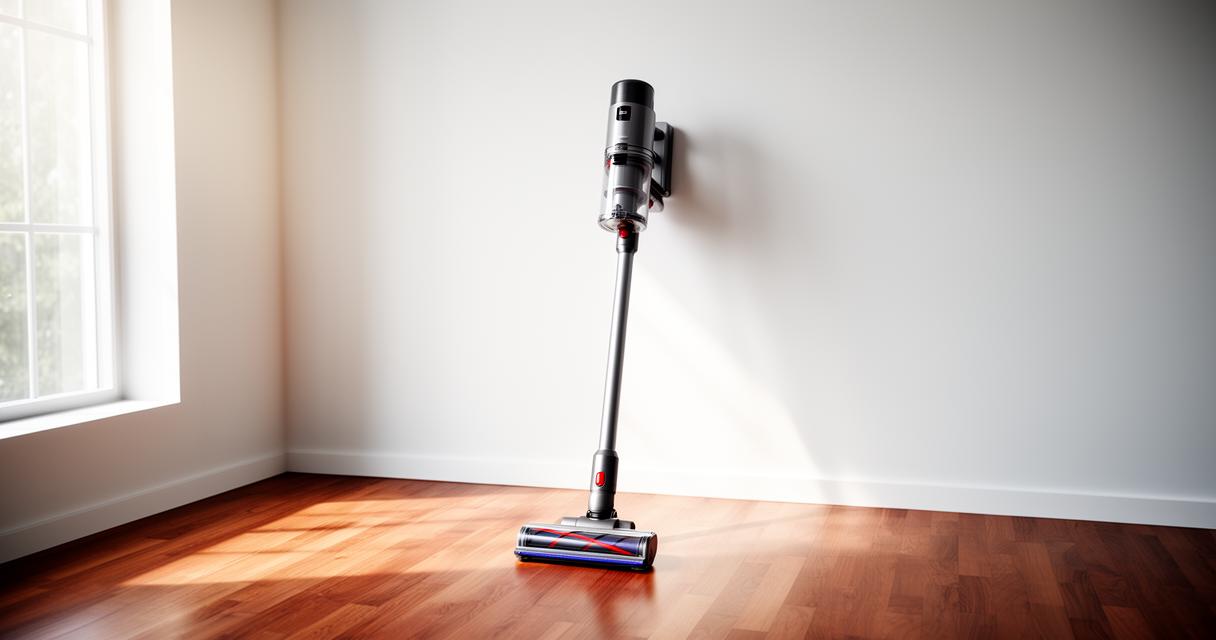
Regular maintenance of washable filters significantly impacts both cleaning performance and battery longevity. Clogged or dirty filters restrict airflow, forcing the motor to work considerably harder to maintain suction, which rapidly depletes battery reserves. Washing the filters according to the manufacturer's guidelines every few weeks, depending on usage intensity, ensures maximum airflow efficiency. After washing, allow filters to dry completely for at least twenty-four hours before reinstalling them, as moisture can damage internal components and affect performance. The parking position of your vacuum also matters more than many users realise. Storing your Hoover H-FREE 100 in a location with stable temperatures between 18 degrees Celsius and 28 degrees Celsius, away from direct sunlight and moisture, protects the battery cells from degradation. Extreme temperatures, whether excessively hot or cold, can permanently damage battery chemistry and reduce overall capacity. Experts recommend allowing the battery to drain completely once a month before fully recharging, a practice that helps recalibrate the battery management system and maintain accurate charge level readings. Avoid leaving the vacuum constantly connected to the charger once fully charged, as this can contribute to long-term battery wear. Disconnecting the appliance before performing any maintenance or examination remains an important safety reminder that prevents accidental activation and potential injury.
Maximising performance across different cleaning tasks
Tackling pet hair and various floor types without draining power
Pet owners particularly value the Hoover H-FREE 100 for its ability to handle animal hair across carpets, rugs, and hard floors. However, pet hair poses unique challenges that can impact battery performance if not managed properly. The vacuum's brush design helps lift embedded hair from carpet fibres, but this intensive cleaning naturally requires more power than routine dirt removal. To optimise battery usage whilst addressing pet hair, start with hard floors where cleaning requires less power, then move to carpeted areas, allowing you to gauge remaining battery life for the most demanding tasks. Different floor types require varying levels of suction and brush engagement, so adjusting your cleaning technique according to the surface can extend operating time. Hard floors generally demand less power than thick carpets, allowing you to cover more ground on a single charge when focusing on these surfaces. Understanding that quality cleaning does not always require maximum power settings helps you make strategic decisions about when to deploy boost mode and when standard settings suffice. The vacuum's versatility across floor types means you can maintain high cleaning standards whilst managing power consumption intelligently throughout your cleaning routine.
Using led lighting and furniture attachments whilst preserving battery quality
Modern cordless vacuums like the Hoover H-FREE 100 incorporate LED lighting to illuminate cleaning paths, particularly useful in dimly lit areas beneath furniture or in corners. Whilst this feature enhances visibility and cleaning thoroughness, the lighting system does draw power from the same battery that operates the motor and brush bar. When battery conservation becomes paramount, consider cleaning during daylight hours or in well-lit rooms where the LED assistance becomes less critical. Furniture attachments designed for upholstery and elevated surfaces offer efficient cleaning solutions that typically consume less power than the main floor head. These specialised tools allow you to address sofas, curtains, and other household items without the power demands of the rotating brush bar, extending your cleaning session when battery levels run low. The pricing on platforms like Amazon for genuine Hoover spare parts and accessories remains competitive, making it worthwhile to invest in manufacturer-approved components rather than generic alternatives that might compromise performance or battery efficiency. Maintaining a collection of appropriate attachments for different tasks enables you to adapt your cleaning approach based on remaining battery capacity, ensuring you complete essential tasks even when operating time becomes limited. The two-year warranty that typically covers cordless machines and their batteries provides reassurance, though proper care and maintenance often prevent battery-related issues from arising within the warranty period. Customer support remains available for app-related issues and technical guidance, offering troubleshooting assistance when battery problems persist despite following recommended maintenance practices.