
Choosing a refrigerator with a water and ice dispenser has become more than just a convenience for many households. It represents a blend of modern luxury and everyday practicality, particularly for those who value both comfort and environmental responsibility. As the demand for these appliances grows, so does the importance of selecting models that align with sustainable living principles. The journey to finding the perfect fridge involves understanding energy consumption, evaluating features that truly matter, and ensuring that your investment reflects both your lifestyle needs and your commitment to reducing your ecological footprint.
Understanding Energy Efficiency and Environmental Impact in Modern Refrigeration
Decoding energy labels and low consumption ratings
Energy efficiency stands at the forefront of sustainable appliance choices, especially when it comes to fridge freezers equipped with water and ice dispensers. The cooling industry is responsible for approximately ten per cent of global carbon dioxide emissions, making it essential to prioritise models that minimise energy consumption. Modern refrigerators are now rated on a scale from A to G, with A representing the most efficient options. This rating system helps consumers quickly identify appliances that will keep running costs manageable whilst reducing their environmental impact. The European Commission anticipates a sixty-four per cent improvement in fridge freezer energy efficiency by 2030, highlighting the industry's commitment to greener technology. When evaluating a potential purchase, look for models with low kilowatt-hour consumption figures, as these directly correlate with reduced electricity bills and a smaller carbon footprint. American-style fridge freezers, whilst offering generous capacity and features, can consume up to three times more energy than traditional designs. Therefore, selecting an energy-efficient model within this category is crucial for eco-conscious households. The investment in a high-efficiency appliance pays dividends over time, not only in financial savings but also in contributing to global efforts to combat climate change.
How water and ice dispensers affect your carbon footprint
Water and ice dispensers are undeniably convenient features that enhance the functionality of modern refrigerators. However, their presence can influence the overall energy consumption of the appliance. These dispensers require additional mechanisms to maintain the necessary cooling and filtration, which can marginally increase electricity usage. The choice between plumbed and non-plumbed models also affects environmental impact. Plumbed dispensers connect directly to your water supply, offering continuous access without the need for refilling, yet they require careful installation to ensure no water wastage. Non-plumbed options, on the other hand, rely on internal reservoirs that must be manually filled, offering flexibility in placement but potentially leading to inconsistent usage patterns. The type of refrigerant used within the cooling system is another critical consideration. Natural refrigerants such as isobutane, designated as R600a, are far more environmentally friendly than hydrofluorocarbons, which have a significantly higher global warming potential. Prioritising models that use natural refrigerants helps reduce harmful emissions and supports manufacturers committed to sustainable practices. Additionally, responsible disposal of old appliances is vital for environmental safety, as improper handling can release harmful substances into the atmosphere. Under UK regulations, manufacturers must provide spare parts for up to ten years, encouraging longevity and reducing the frequency of replacements, which further minimises waste and environmental strain.
Essential Features for the Eco-Friendly Kitchen: Capacity, Performance, and Value
Balancing freezer storage needs with sustainable design
Determining the appropriate capacity for your refrigerator is essential for both practical and environmental reasons. Selecting an appliance that is too large for your household can lead to unnecessary energy consumption, whilst an undersized model may force you to run a secondary fridge, doubling your carbon footprint. Capacity is typically measured in litres, with American-style fridge freezers ranging from four hundred to seven hundred litres. For individuals or couples, a capacity between one hundred and fifty to two hundred litres is often sufficient. Small families may find that two hundred to three hundred litres meets their needs, whilst larger households benefit from models exceeding three hundred litres. The internal configuration of the fridge also plays a significant role in maximising storage efficiency. Adjustable shelving allows you to customise the space to accommodate various items, reducing the likelihood of food waste due to inadequate storage. Humidity-controlled drawers are particularly valuable for preserving fresh produce, extending its lifespan and reducing the frequency of grocery trips. Frost-free technology eliminates the need for manual defrosting, which not only saves time but also ensures the appliance maintains optimal efficiency. This feature prevents ice build-up that can obstruct airflow and force the compressor to work harder, thereby increasing energy consumption. Multi-door designs, including side-by-side and four-door configurations, offer separate compartments for different types of food, helping to maintain ideal temperature zones and prevent cross-contamination of odours. These thoughtful design elements contribute to a more sustainable kitchen by reducing waste and enhancing the longevity of stored goods.
Noise levels, build quality, and customer reviews worth considering
The quality and performance of a refrigerator extend beyond its energy efficiency and capacity. Noise levels are an often-overlooked aspect that can significantly impact your comfort at home. Models with noise levels under forty-two decibels are generally considered quiet and suitable for open-plan living spaces or kitchens adjacent to living areas. A quieter appliance not only enhances your daily environment but also indicates a well-designed compressor and insulation system, which can contribute to overall efficiency. Build quality is another critical factor, particularly for households seeking long-term value. Stainless steel finishes are popular for their durability and ease of cleaning, though alternative colours such as black, green, and blue offer opportunities for personalisation and can complement various kitchen aesthetics. High-quality materials and construction reduce the likelihood of premature wear and the need for frequent repairs, which in turn minimises waste and resource consumption. Customer reviews provide invaluable insights into real-world performance and reliability. Platforms such as Amazon feature detailed feedback on popular models, highlighting aspects such as ease of use, build quality, and after-sales support. Consistently positive reviews can indicate a dependable product, whilst recurring complaints about specific issues should raise red flags. Warranty options are equally important, with a minimum of one year being standard, though more extended warranties often signal manufacturer confidence in the product's longevity. Investing time in researching reviews and comparing models ensures that your purchase aligns with both your practical needs and your commitment to sustainability. Brands such as Bertazzoni, Fisher & Paykel, and ILVE are frequently praised for their combination of style, performance, and eco-friendly features, making them worth considering for discerning buyers.
Making the Smart Purchase: Comparing American-Style Models and Dispenser Options
Crushed versus cubed ice: choosing what suits your household best
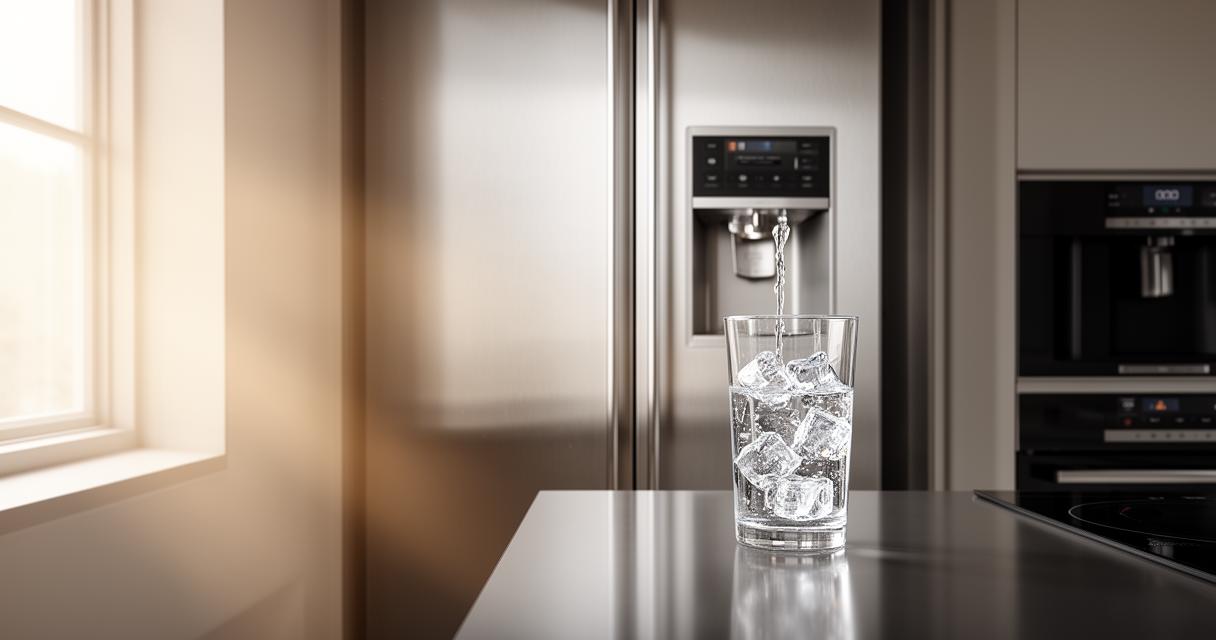
When it comes to ice dispensers, the choice between crushed and cubed ice may seem trivial, yet it reflects personal preferences and usage patterns. Cubed ice is ideal for beverages that require slower melting, preserving the drink's flavour and temperature over extended periods. It is also more aesthetically pleasing in cocktails and formal settings. Crushed ice, on the other hand, is perfect for smoothies, blended drinks, and situations where rapid cooling is desired. Some models offer both options, providing versatility for different occasions and household members. The mechanism behind ice production and dispensing can also influence the appliance's overall energy consumption. Models with efficient ice-making systems minimise the energy required to freeze water and dispense ice on demand. Plumbed models typically offer a more consistent ice supply, as they draw water directly from the mains, reducing the frequency of manual refilling. Non-plumbed versions require periodic refilling of the internal reservoir, which can be less convenient but offers greater flexibility in placement and installation. The quality of the ice produced is also worth considering, as some models include filtration systems that improve water and ice taste by removing impurities and chlorine. This feature not only enhances your drinking experience but also reduces the need for bottled water, further supporting sustainable living. Evaluating your household's specific needs and usage patterns will help you select the most suitable ice dispenser type, ensuring that this luxurious feature aligns with your environmental values and practical requirements.
Navigating Price Points and Platform Reviews for the Best Green Investment
Budget considerations play a significant role in the decision-making process when purchasing a fridge with a water and ice dispenser. Entry-level models, priced between two hundred and four hundred pounds, typically offer basic features and adequate performance for smaller households. Mid-range options, ranging from four hundred to eight hundred pounds, provide a better balance of capacity, efficiency, and additional features such as frost-free technology and adjustable shelving. High-end models, exceeding eight hundred pounds, deliver premium build quality, advanced smart features, and superior energy ratings, making them a worthwhile investment for those seeking long-term value and sustainability. Comparing prices across different platforms and retailers can reveal significant savings and exclusive deals. Atlantic Electrics, for instance, offers a wide range of home appliances with competitive pricing and comprehensive after-sales support. Reading reviews on these platforms provides a clearer picture of each model's strengths and weaknesses, helping you make an informed decision. Pay attention to feedback regarding energy consumption, noise levels, and the reliability of the water and ice dispensers, as these factors directly impact your satisfaction and the appliance's environmental impact. The Good Shopping Guide has rated ethical brands since 2001, offering detailed assessments of manufacturers' sustainability policies and practices. Brands such as CDA have been recognised for their commitment to environmental responsibility and ethical manufacturing. Conversely, some brands have been linked to unethical practices, including involvement in the arms industry, making it essential to research thoroughly before committing to a purchase. Prioritising brands with transparent environmental reporting and strong ethical standards ensures that your investment supports positive industry practices. Additionally, considering the availability of spare parts and the ease of maintenance contributes to the appliance's longevity, reducing waste and the frequency of replacements. Taking the time to compare models, read reviews, and evaluate brand ethics will ultimately guide you towards the best green investment for your eco-conscious household, blending luxury, practicality, and sustainability in one thoughtful purchase.