
There is something quietly remarkable about gliding through a city street and hearing little more than the hum of tyres on tarmac. This is the everyday reality for anyone who has swapped a petrol or diesel car for an electric one, and it is a shift that is reshaping how we think about driving altogether. From the mechanics that make this hush possible to the practicalities of ownership, understanding what sits beneath the bonnet, or rather the boot, of an electric vehicle reveals why so many drivers are making the switch.
In short
- Electric vehicles offer a quieter driving experience because their motors use electromagnetic force rather than the repetitive internal explosions required by combustion engines.
- The absence of pistons, gears, and clutches in electric motors provides smooth, instant acceleration without the vibrations and noise typical of traditional vehicles.
- New electric vehicles are required by law to use an Acoustic Vehicle Alert System (AVAS) to emit sound at low speeds for pedestrian safety.
- Regenerative braking systems not only extend driving range by recovering energy but also reduce mechanical noise and wear on conventional brake components.
- Electric vehicles generally have lower long-term ownership costs due to reduced maintenance needs, such as the elimination of oil changes and less frequent brake pad replacements.
- Features like cabin preconditioning allow drivers to heat their vehicles remotely, enhancing comfort during cold weather without waiting for an engine to warm up.
- The growing public charging infrastructure in the UK now offers a range of options, from slow overnight chargers to rapid stations that provide significant range in under thirty minutes.
The science behind whisper-quiet electric motors
The calm experienced inside an electric car is not accidental; it is the direct result of a fundamentally different approach to propulsion. Unlike a conventional engine, which relies on thousands of small explosions to generate movement, an electric motor simply spins using electromagnetic force. There are no pistons hammering away, no exhaust gases rushing through a system, and crucially, no need for multiple gears to keep the engine within its optimal range.
How electric motors differ from traditional combustion engines
Anyone who has driven both types of car will notice the difference within seconds. Petrol and diesel engines need to build up revs before delivering their full output, whereas an electric motor offers instant power from a standstill. This translates into rapid acceleration that feels almost effortless, since there is no clutch to manage and no gear changes to interrupt the flow of motion. The result is a driving experience that feels smoother and notably more refined, with none of the vibration or mechanical clatter associated with combustion engines. Because there is no combustion taking place, there is also no engine noise to mask or dampen, which is precisely why electric vehicles are often described as silent. This silence is so pronounced that regulators have had to intervene for safety reasons, and all new four-wheel electric vehicles must now be fitted with an Acoustic Vehicle Alert System, commonly known as AVAS, which emits a sound to alert pedestrians when the car is reversing or travelling under eighteen and a half miles per hour.

The Role of Regenerative Braking in Reducing Mechanical Noise
Another element that contributes to the tranquillity of electric driving is regenerative braking. Rather than relying solely on friction to slow the car down, the electric motor works in reverse when the driver lifts off the accelerator, converting kinetic energy back into electricity and feeding it into the battery. This not only helps with energy recovery and extends the battery range, but it also reduces wear on conventional brake components, meaning less noise and less need for frequent servicing. For many drivers, mastering this technique becomes second nature, allowing for a driving style that feels almost like gliding rather than stopping and starting in the traditional sense.
Long-Term Cost Benefits and Ownership Experience of Silent EVs
While the initial price tag of an electric car can raise eyebrows, the financial picture changes considerably once you look beyond the showroom. Low running costs are one of the most persuasive arguments for making the switch, and this becomes especially clear when comparing charging expenses to the price of petrol or diesel at the pump.
Balancing initial investment against fuel and maintenance savings
Charging at home using a dedicated wall box charger can cost around seventeen pounds for roughly two hundred and twenty miles of range, a stark contrast to the fifty three pounds that the same distance might cost using public rapid charging. Servicing costs also tend to be lower, since electric motors have far fewer moving parts than combustion engines, meaning less that can wear out or fail. There is no need for oil changes, and components such as brake pads often last longer thanks to regenerative braking easing the load. Companies such as Cambridge Electric Vehicles offer test drives, servicing, and support with buying and selling, making the transition into electric ownership considerably more approachable for newcomers. With the UK government ban on new petrol and diesel cars set for 2030, more drivers are considering the switch sooner rather than later, and the expanding market means choice and affordability continue to improve.

Real-World Comfort Reports from Tesla and BYD Owners
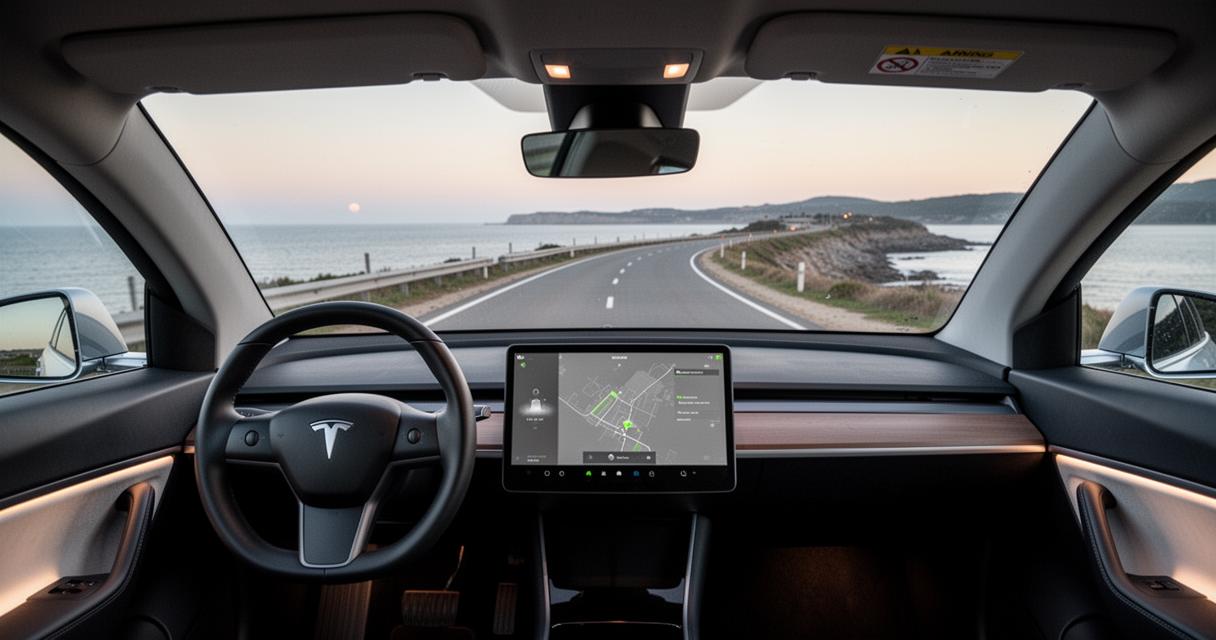
Owners of models from manufacturers such as Tesla and BYD frequently highlight how much more comfortable long journeys feel, particularly during the colder months. The heating system in an electric vehicle relies on an electric heater rather than waste heat from a combustion engine, and many drivers make use of preconditioning, warming the cabin via an app before even stepping outside. This means stepping into a already-warm car on a frosty morning, without the noise or delay of an engine needing to warm up first. Feedback from owners consistently points to the quiet cabin and smooth ride as standout features, alongside the satisfaction of lower running costs over time.
Maximising your peaceful driving experience: infrastructure and vehicle choices
Enjoying the full benefits of silent driving depends not just on the car itself but on the wider ecosystem that supports it, from where you can charge to the smaller components that influence noise levels on the road.
The expanding charging terminal network across the uk
The charging infrastructure across Britain has grown substantially, with public charging points now far more widespread than just a few years ago. Slow charging typically adds around thirty miles of range per hour, making it suitable for overnight top-ups, while fast charging can fully replenish a battery within three to eight hours. For those needing a quicker solution, rapid charging stations can add up to two hundred miles of range in as little as twenty to thirty minutes, using a Type 2 connector that has become the standard across much of the public network. Charging during off-peak hours can also help reduce electricity costs, and many drivers find that a bit of planning around range management makes longer trips entirely stress-free.
Selecting Quality Tyres and Brake Pads for Enhanced Quietness
Because electric vehicles lack engine noise to mask other sounds, road noise and tyre roar become more noticeable, which is why choosing quality tyres genuinely makes a difference to the overall experience. Well-maintained brake pads also contribute to a quieter ride, particularly when combined with the reduced wear that comes from regenerative braking. It’s worth remembering that mixed driving cycles, as measured under WLTP standards, can affect the real-world range and overall autonomy of a vehicle, so factoring this into your choice of tyres and driving style can help maintain both efficiency and comfort. Weather conditions can also influence battery performance, so keeping an eye on temperature effects and monitoring battery levels during colder spells is a sensible habit for any electric vehicle owner. Ultimately, whether you are a long-time driver or a learner just starting out, the combination of quiet operation, instant response, and straightforward automatic transmission makes electric vehicles a genuinely pleasant and increasingly practical choice for the modern road.